
ACE COURTS / ARTICLES & GUIDES
Can You Build a Sport Court on a Sloped Backyard in Utah?
A sloped yard calls for a closer look at the proposed court location, elevations, drainage and access. Learn what to discuss before settling the construction scope.
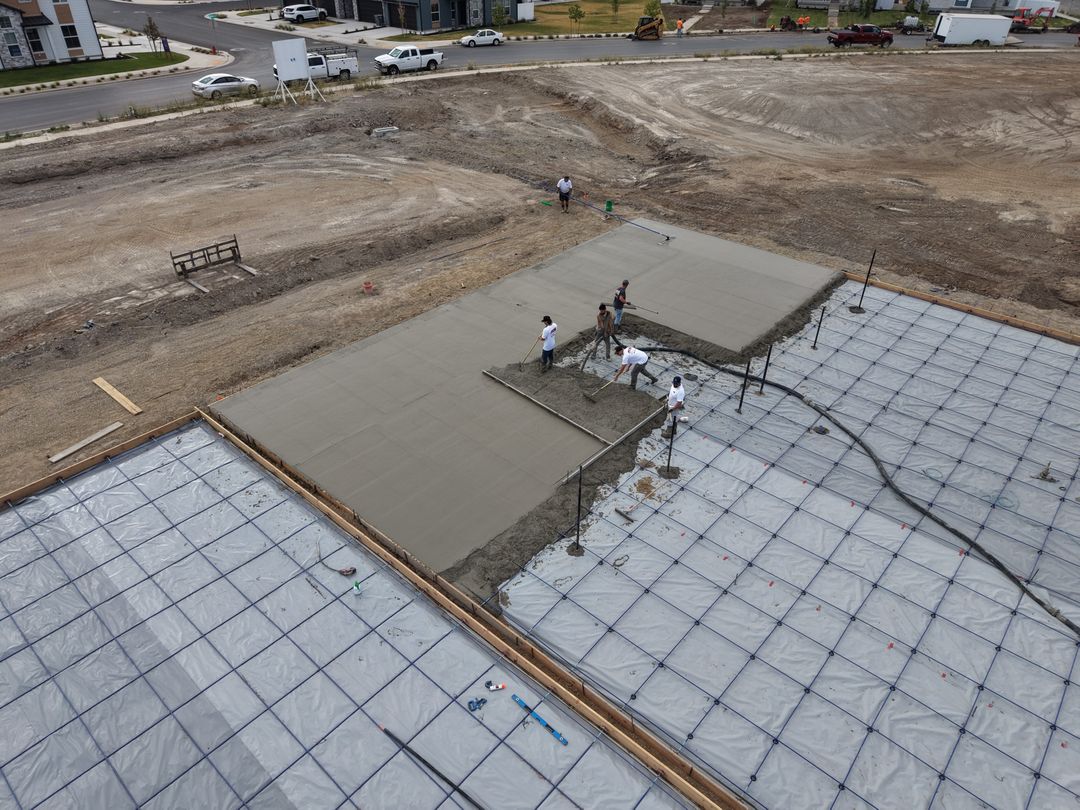
A sloped backyard may still be a candidate for a sport court, but the answer depends on the property. The first question is where a usable court can fit, how its finished elevation relates to the surrounding ground, and what work that location would require. A photograph can start that conversation; it cannot establish the construction design.
Before choosing colors or equipment, compare the possible court locations. A different position or a smaller recreational layout may change the site work involved. Keep your preferred sports in the discussion so the plan supports the games you want to play.
Start with the complete court footprint
Marking out the playing lines does not show every part of the project. Consider space around the boundaries, fences, gates, equipment and a practical route between the court and your home. On a sloping lot, include nearby banks, walls, patios and property boundaries in the first review.
A compact recreation area should be described accurately rather than presented as a regulation court. For pickleball dimensions and orientation, consult USA Pickleball’s court planning guidance. Our backyard court design guide explains the broader layout decisions.
Compare locations before committing to one
The open space at the bottom of the yard may look convenient, but it is worth comparing it with other options. Ask how each location relates to the house, existing improvements and neighboring ground. Include the route that construction equipment would use, not just the space where the finished court would sit.
Discuss which parts of a proposal depend on further measurements or review. A useful early plan distinguishes confirmed information from assumptions. That makes it easier to understand why the scope might change before construction begins.
Discuss grading and drainage together
Preparing a court area can involve changing existing ground levels. Ask the project team to explain the proposed elevations, how the court meets surrounding areas, and where water would travel during rain or snowmelt. Include existing downspouts, irrigation, drainage outlets and places that stay wet.
Water and changes to a slope deserve attention together. The Utah Geological Survey’s homeowner guidance identifies added water and alterations to slopes among factors that can contribute to slope instability. Where those concerns apply, a qualified geotechnical review can inform the next step. An attractive finished surface does not replace that assessment.
Put retaining structures into the early conversation
If a possible layout involves a retaining wall or an existing wall near the court, identify that before settling the construction scope. Ask what information is needed about the wall, the ground it supports, drainage and the proposed court location. A wall should not be assumed suitable simply because it is already there.
Clarify whether the project needs separate engineering information, who will provide it, and which work is included in the court proposal. Avoid treating a wall height or a photograph as enough information to choose a construction method.
Plan access and the surrounding yard
A court project needs a workable route for people, equipment and materials. Show the builder gates, narrow side yards, steps, trees and improvements along that route. Discuss which existing features you want to preserve and which areas may need restoration afterward.
Also think about daily use. How will players reach the court? Where will a gate open? How will you reach the perimeter for cleaning and maintenance? These questions help connect the finished playing area with the rest of the property.
Ask which approvals apply to your property
Before work is scheduled, ask the relevant city or county office which reviews apply to the proposed court, grading, walls, fencing and lighting. Provide the actual property location and a plan of the intended work. If your property has an HOA, check its approval process separately.
For homeowners preparing an HOA request, our HOA court approval guide covers the information to organize. Keep any approval conditions with the project documents so they can be discussed before the scope is finalized.
Bring the right information to your first conversation
- Your city, preferred sports and approximate available space.
- Wide photographs showing the yard from several directions.
- Photos of access routes, existing walls and nearby improvements.
- Any survey, drainage information or prior engineering documents you already have.
- Your priorities for landscaping, equipment and timing.
Based in Eagle Mountain, Ace Courts serves Utah County, Salt Lake County and Washington County. Our in-house crews complete our court construction and surfacing work with no subcontractors. Send us your court idea to discuss the information needed to evaluate your site.
Turn your research into a court plan.
Share your location, intended sports and a few photos. Our team can help you work out the next step.
Discuss your court