Cushion Courts in Utah

More comfort starts beneath your feet. Ace Courts installs Acrytech CushionX court surfacing for pickleball, tennis, basketball, and multi-sport spaces. Explore a cushioned playing surface for your backyard or facility, with in-house court construction and surfacing across Utah, Arizona, and Idaho.

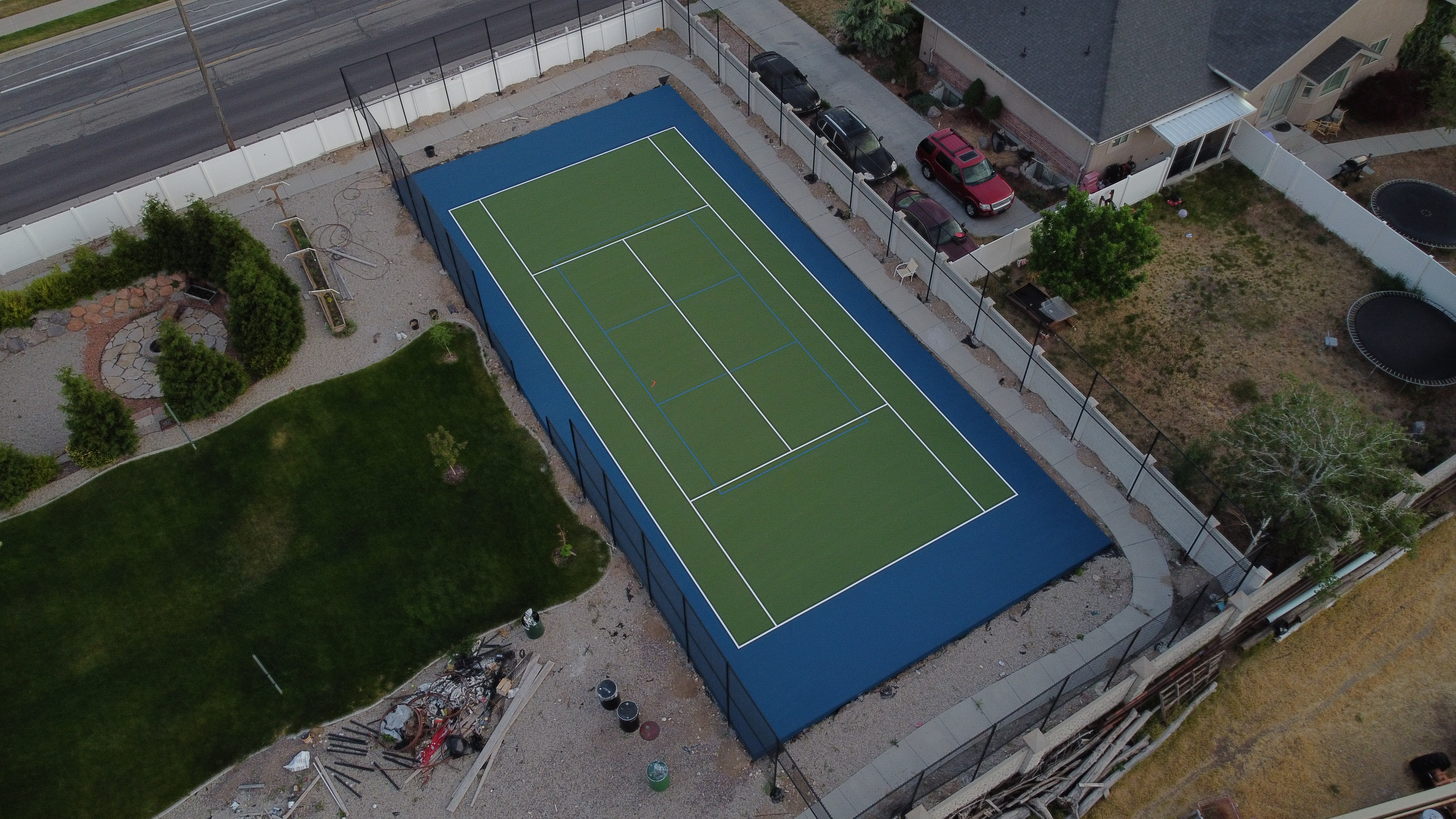
A small fenced outdoor tennis court with blue and green surfaces surrounded by dirt and grass.
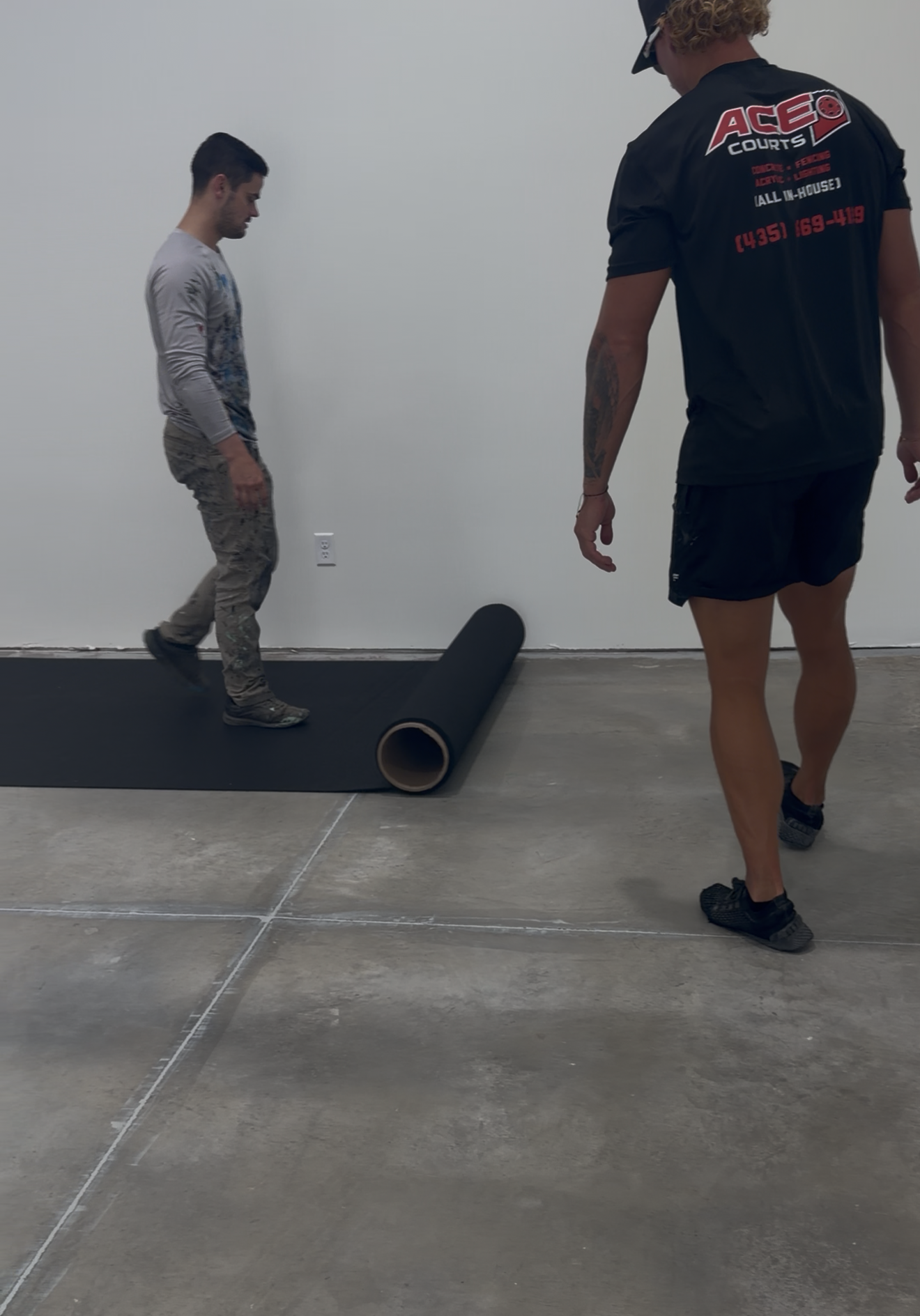
Two workers unrolling a dark mat over a concrete floor for an indoor court surface.

More comfort underfoot

CushionX adds a resilient layer beneath the acrylic playing surface. AT Sports designs the system to increase force reduction and improve player comfort during play.

A choice of cushioning

CushionX mat options include 4 mm, 6 mm, and 8 mm thicknesses. We help match the system to your court, expected use, and project budget.

Your colors and game lines

The cushion layer works beneath an acrylic finish. Choose a color layout and markings for your preferred sport, or plan a shared court for several games.

New courts and renovations

Consider cushioning when building a new court or updating an existing one. We first review the base, drainage, and surface condition to determine a suitable scope.

Cushion court FAQs

Planning a cushioned pickleball or tennis court? Start with the questions that affect the playing experience, installation scope, and long-term care.

How is a cushion court different from standard acrylic?

Standard acrylic surfacing provides the court's color, texture, and game lines. A cushion system adds a resilient layer beneath the finish. The underlying slab still provides structural support. When comparing proposals, ask which cushion system is included and what preparation and finish layers are part of the price.
Can cushioning be added to an existing court?

It may be an option after a site assessment. The condition of the existing surface, drainage, cracks, and previous coatings all matter. An overlay should follow appropriate preparation and repairs. Send us photos of the whole court and any problem areas so we can discuss the next step.

Will cushioning prevent cracks or injuries?

Cushioning is intended to improve comfort; it does not guarantee injury prevention or eliminate movement in the underlying court. Surface condition, footwear, playing habits, and ongoing care still matter. A cushion layer should not be treated as a structural repair for a failing slab.

How much does a cushion court cost?

The estimate depends on court area, the selected system, preparation and repairs, site access, colors, and line layout. A new court may also include concrete, fencing, lighting, and equipment. We provide a project-specific scope so you can compare the cushion upgrade with the rest of your court investment.

How long does installation take?

The schedule depends on the condition of the court, the amount of preparation, the chosen system, and suitable weather. A new concrete court also needs to meet the surfacing system's readiness requirements. We explain the installation sequence and when the finished court can return to play as part of your project plan.

How do I care for a cushioned court?

Keep leaves and debris off the surface, address drainage problems, and check for damage or unusual wear. Use cleaning methods and equipment approved for the installed coating system. Ask us for care guidance before pressure washing, applying chemicals, or moving heavy equipment across the court.

Explore CushionX product information from AT Sports, or ask Ace Courts about your project.

Understand the system

How a cushioned court is built

A cushion court combines a suitable structural base, a resilient surfacing layer, and an acrylic playing finish. Each layer has a different job.

Below the surface

Cushioning starts with a sound court

A cushion surface is an upgrade to the playing system, not a replacement for a stable base. Before installation, Ace Courts reviews drainage, surface condition, and any existing cracks or uneven areas. For a new build, we coordinate the concrete with the selected surfacing system. For an existing court, we identify preparation and repair needs before recommending an overlay.

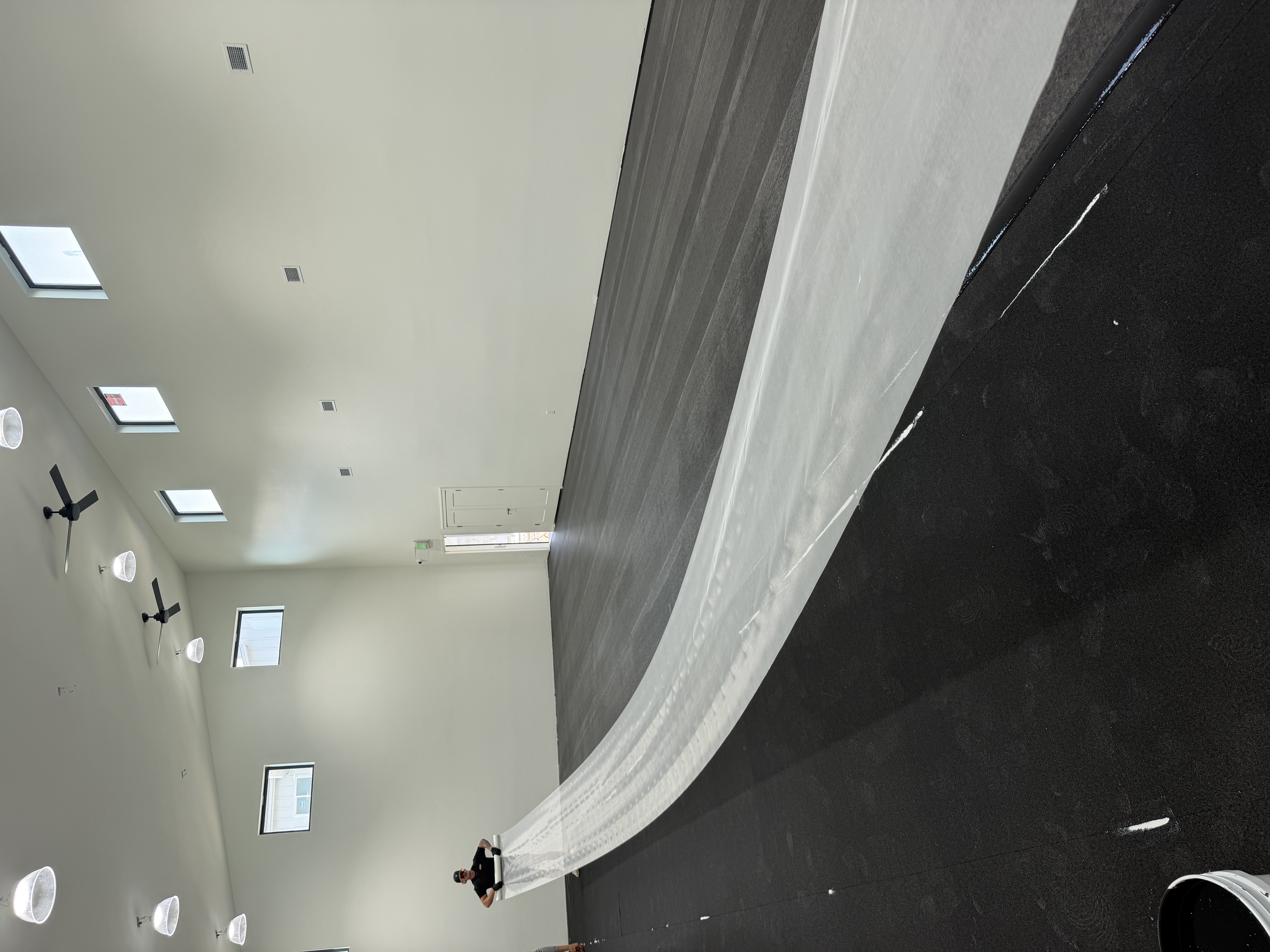
Long strip of white material laid across a dark indoor court floor during surface installation.
Built for your players

Choose the system around court use

A private backyard and a busy community facility place different demands on a court. Tell us who will use it, which sports you play, and how often it will be in use. We discuss the cushion option, surface finish, colors, and game lines together. AT Sports requires the CushionX system level to match intended usage for warranty eligibility; we review the applicable product terms with your project scope.

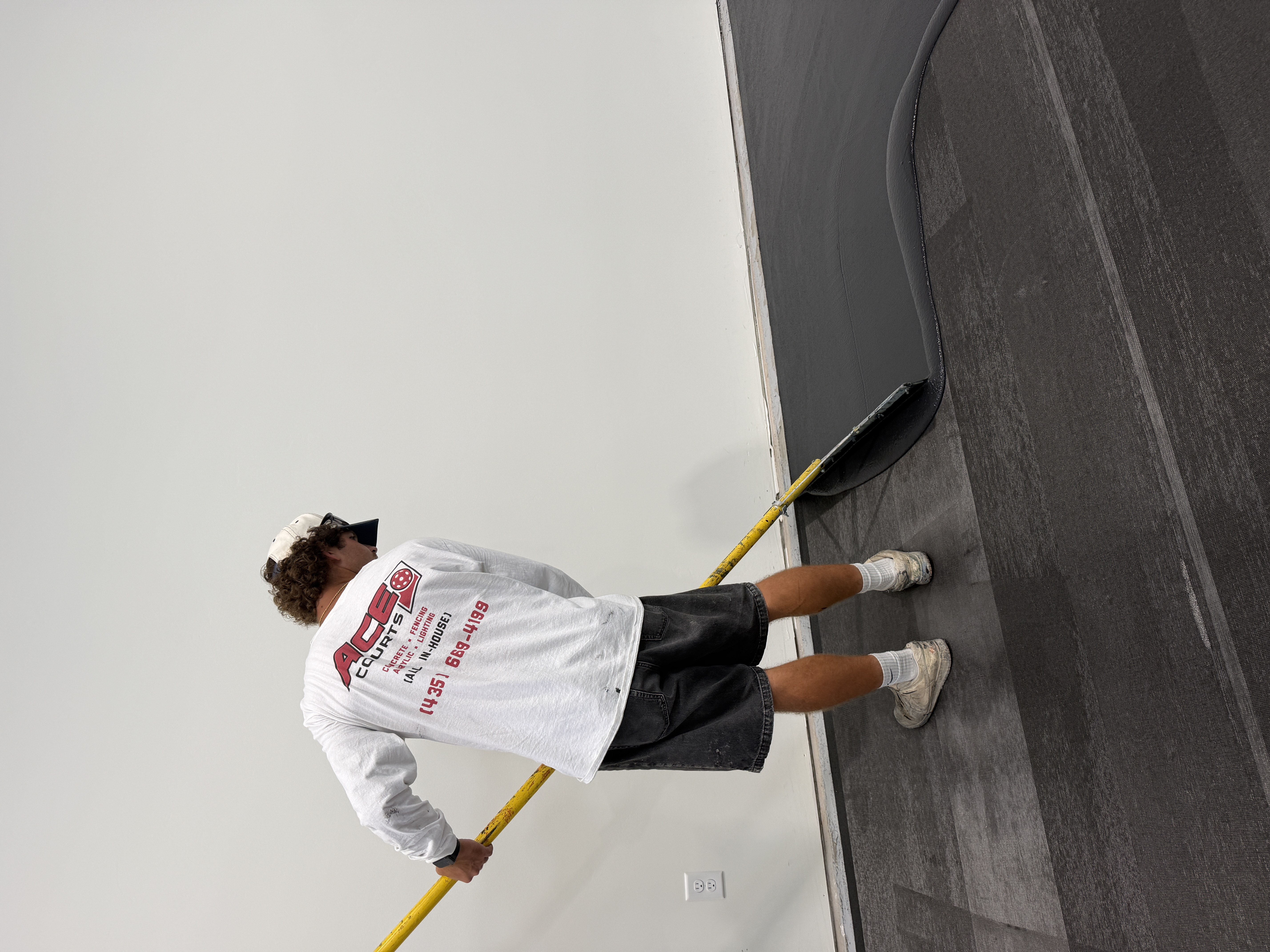
Worker spreading a dark surface coating across an indoor court with a long-handled squeegee.
One in-house team

Cushion courts by Ace Courts

From the foundation to the final game line, we plan your court as a complete project.

Aerial view of a fenced tennis court with blue and green surface next to houses and yards.
Complete court construction

The surface and everything around it

Ace Courts handles concrete and post-tension work, acrylic surfacing, fencing, and lighting in house. That means the cushion surface is planned with the slab, court layout, access, and equipment locations. Whether you are building a backyard pickleball court or improving a shared sports space, our team can coordinate the work from preparation through completion.

Plan your cushion court

Tell us where you are building, which sports you play, and whether you have an existing court. We will help you compare the options and prepare a project-specific estimate for CushionX surfacing and any concrete, fencing, or lighting work you need.