
Post-Tension Concrete Sport Courts in Utah
A lasting court starts below the color. Ace Courts builds post-tension concrete slabs for pickleball, tennis, basketball, and multi-sport courts. Our certified team handles concrete and post-tension work in house, with acrylic surfacing, fencing, and lighting delivered by Ace Courts too. Serving Utah, Arizona, and Idaho.
What makes a post-tension court different
Steel tendons are tensioned after the concrete reaches the required strength, placing the slab in compression. That compression helps control cracking and supports a more continuous playing surface. The result starts with sound design and careful installation.
A sound slab starts with the site
We review soil conditions, drainage, grade, and equipment access before planning your slab. Post-tension is part of a complete court system; the ground beneath it still matters.
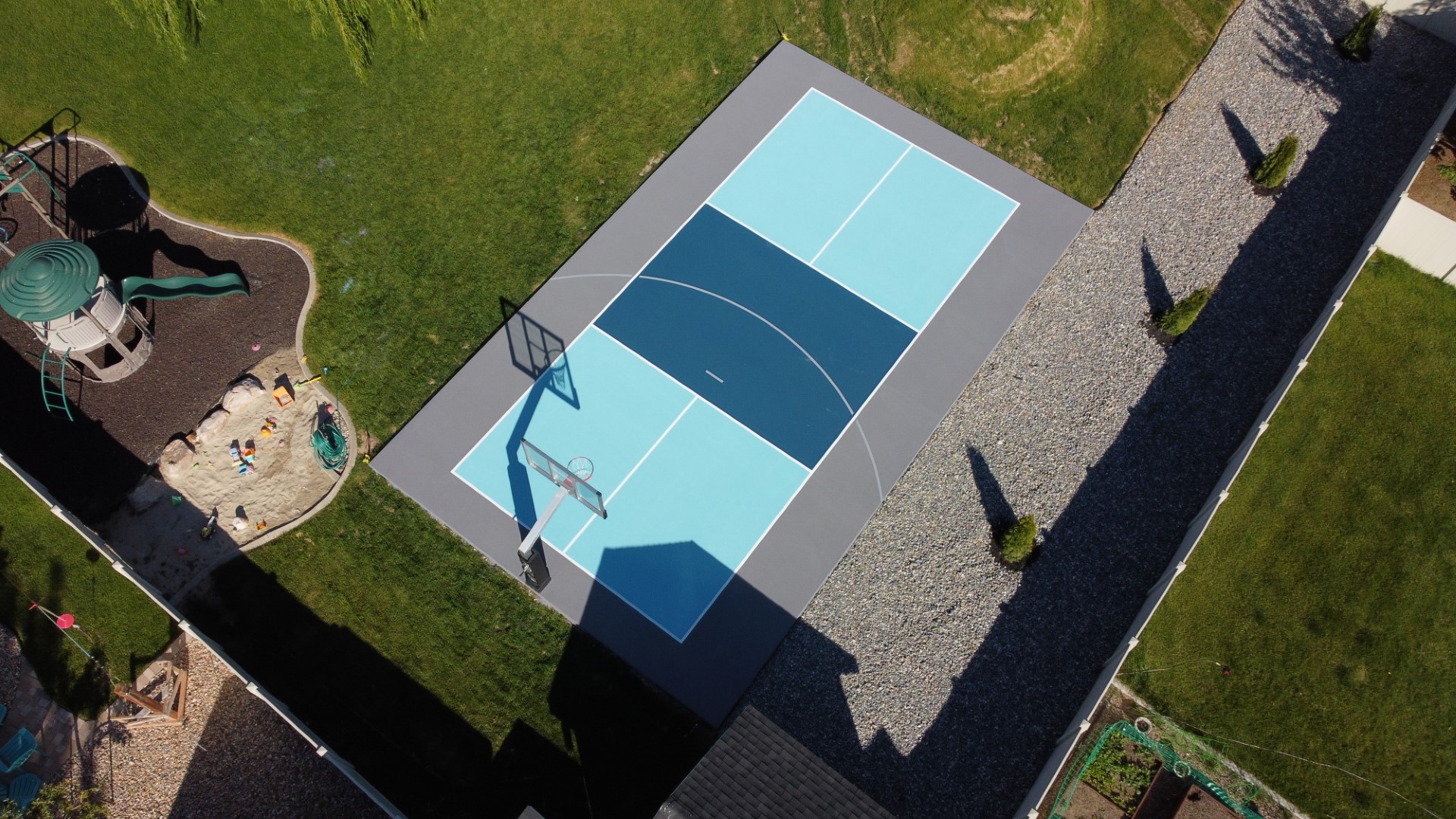
Prepare the ground for lasting play
Our in-house crew excavates, grades, and prepares the base for your court. We coordinate finished elevations and drainage with the slab plan before forms or cables go in.

The strength is planned before the pour
We set the forms and install the post-tension tendons and anchors to the project plans. Court dimensions, slab elevations, and equipment locations are coordinated at this stage. Our certified in-house team handles the details that will be built into the concrete.

Place, finish, and build strength
05 / Acrylic surfacing
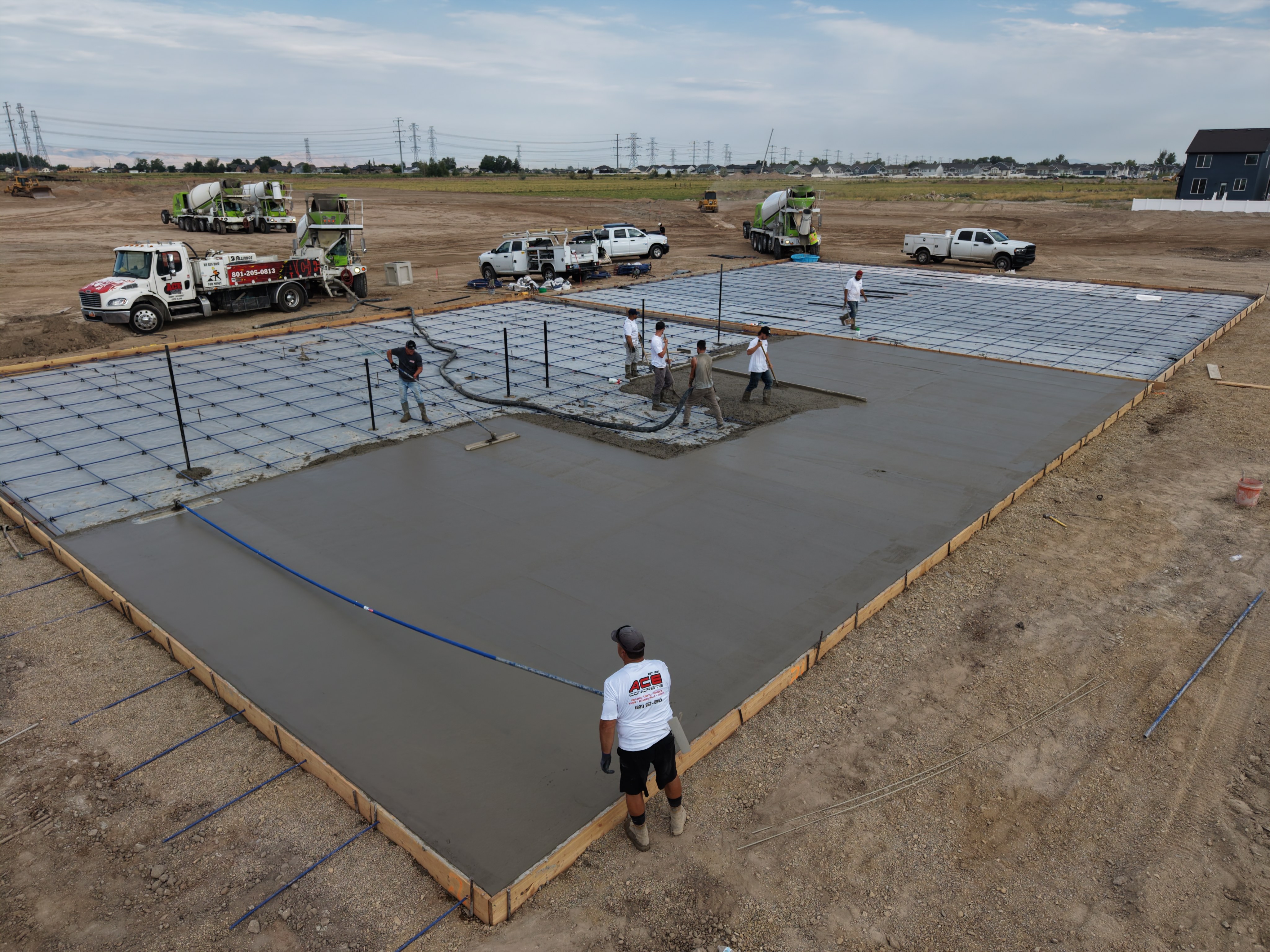
Turn the slab into your playing surface
Once the slab meets the coating system requirements, our in-house team prepares the surface and applies acrylic colors and game lines. Choose a dedicated pickleball, tennis, or basketball court, or a shared layout. Fencing and lighting can complete the build with the same Ace Courts team.
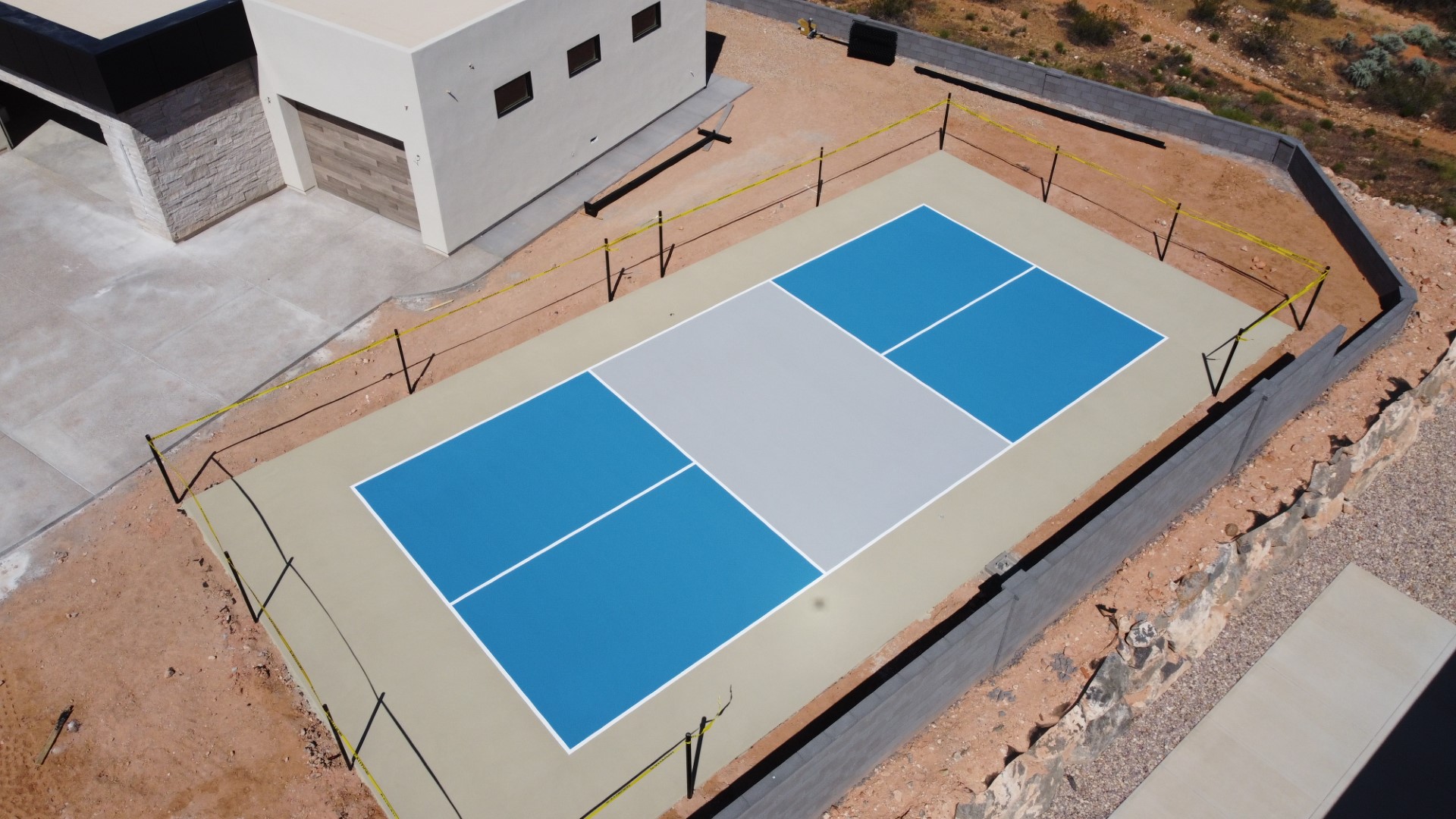
The slab and the team behind it
Post-tension performance depends on both the concrete system and the people installing it. Here is what goes into your Ace Courts project.

From prepared ground to finished court
Each phase supports the next. We plan the slab and the finished court together so the details are addressed before they become obstacles.
Evaluate & plan
Tell us what you want to play and how you want to use the space. We review access, grades, drainage, and the site information needed to plan your post-tension court.
Prepare the base
Our crew prepares the court area, establishes elevations, and coordinates the base and drainage with the slab plan.
Install & pour
We coordinate forms, tendons, anchors, and planned court equipment locations before placing and finishing the concrete.
Stress & cure
Tendons are stressed after the concrete develops the specified strength. Curing and surface preparation continue before the acrylic system is installed.
Surface & complete
Our in-house team installs acrylic colors and game lines, fencing, and lighting according to your project scope, then walks through the finished court with you.
One slab. Your way to play.
Your post-tension court should fit the games you love and the space you have.

Pickleball, tennis, basketball, and shared courts
Start with your sport, then plan the slab around the playing area, clearances, and equipment. Whether you want one dedicated court or a shared layout, we coordinate the concrete with the finished court design.
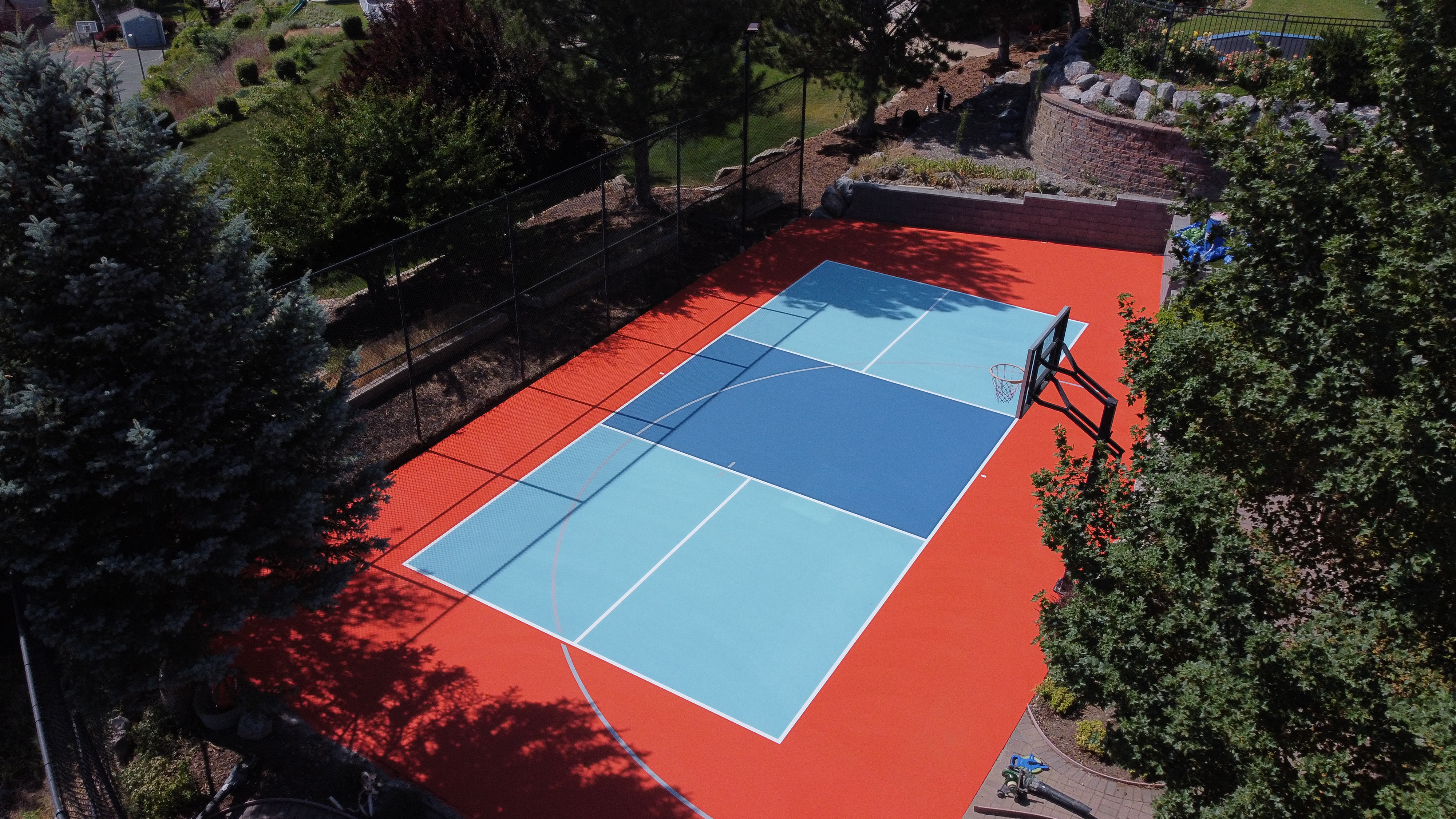

Acrylic colors and game lines
Choose colors that fit your property, with clear markings for your sports. Ace Courts applies the acrylic surface in house.

Fencing that fits the court
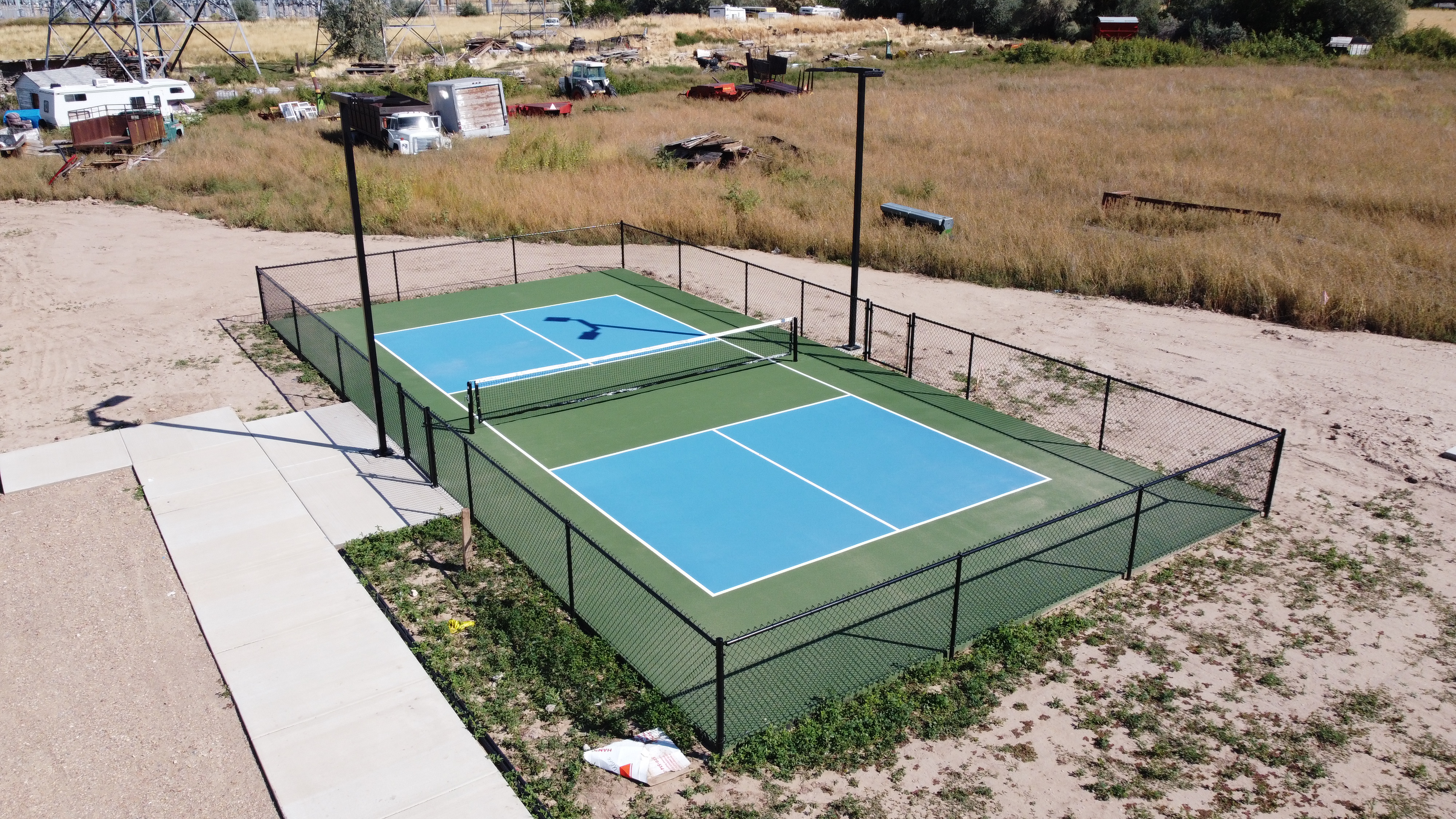
Plan ball containment, gate access, and the court perimeter together. Our team installs the fencing as part of your build.

Lighting planned with the slab
Bring lighting into the conversation early so pole locations and infrastructure work with the court layout and surrounding space.

Equipment in the right places
Hoops and net posts should be coordinated before the pour. We turn your preferred court layout into a practical construction plan.
Certified post-tension. Built in house.
Ace Courts is a full in-house court builder. Concrete and post-tension, acrylic surfacing, fencing, and lighting are all part of our work. You get a team that understands how the slab connects to every part of the finished court.
Certified in post-tension construction
Concrete and court finishing handled in house
One team coordinating the complete project
Details that matter beyond the pour
A good post-tension court is more than a concrete specification. It is a series of decisions made with the finished playing experience in mind.
Plan the complete court
The post-tension slab is one part of the finished court. For excavation, concrete, acrylic surfacing, game lines, and specified fencing, lighting, and equipment, explore our complete court construction service. Our in-house crew coordinates the full build with no subcontractors.
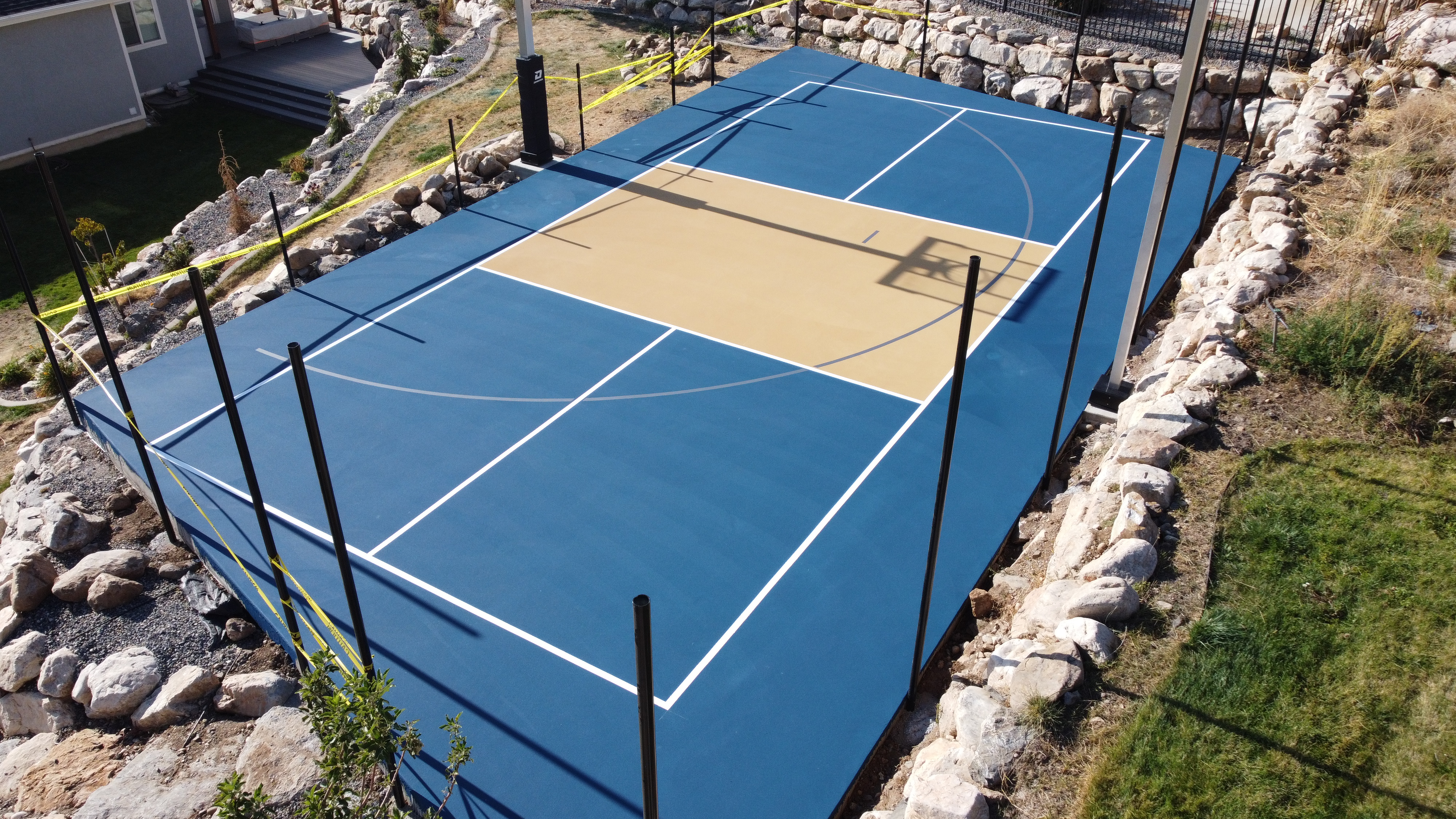
Work with a certified installer
Post-tension is specialized concrete work. Our certified in-house team plans the slab for your site. Compare asphalt vs concrete court bases to understand the tradeoffs before choosing a foundation.

Give drainage proper attention
Court elevations and drainage deserve attention before the pour. We review where water needs to go and how Utah weather affects court lifespan. The Wasatch Front weather guide explains freeze-thaw exposure, sun, and seasonal court care.
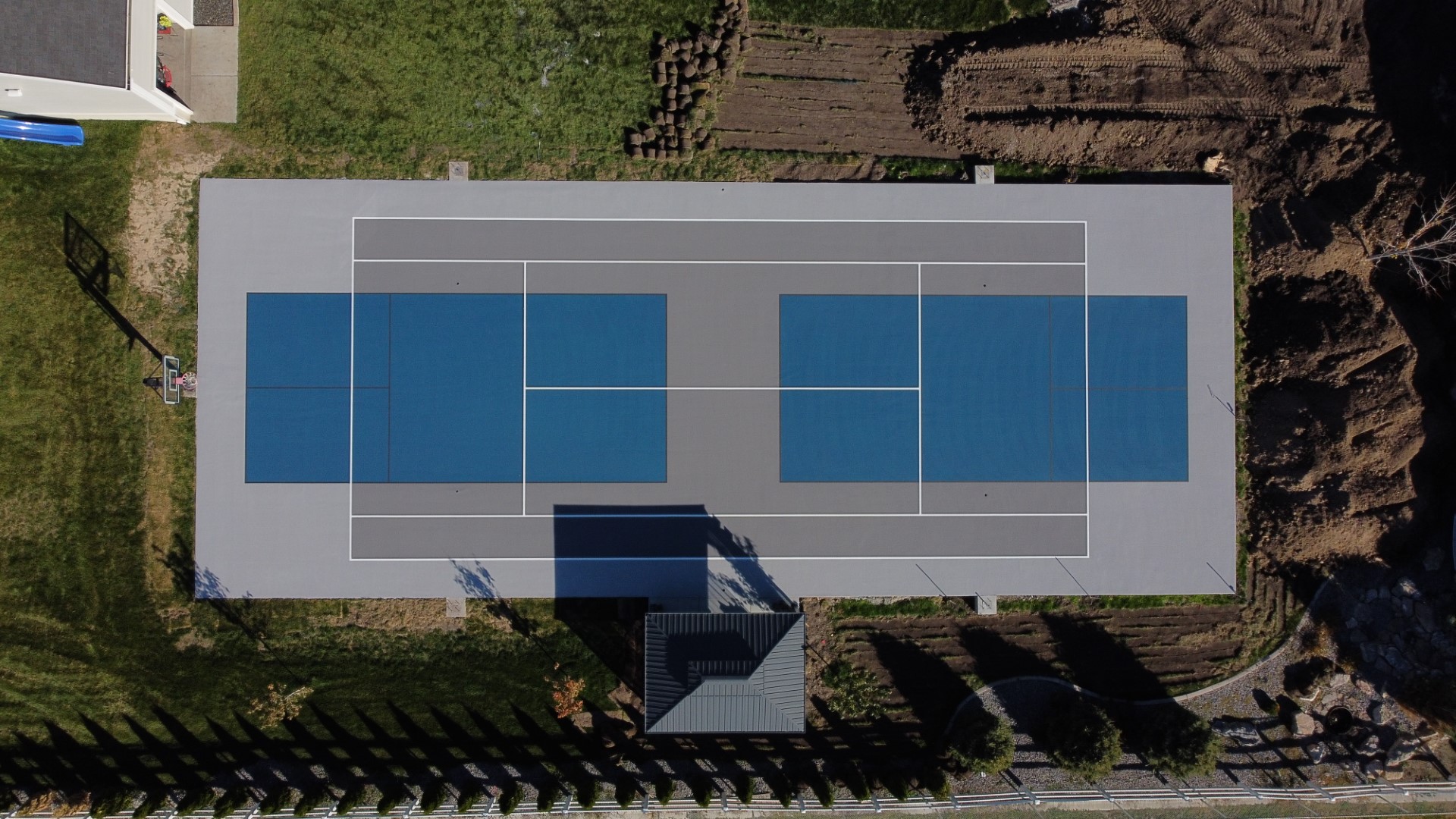
Prepare for the finish
The concrete and acrylic surface have different jobs. We coordinate the transition between them so the slab is prepared for the selected coating system.

Build around your users
Backyard play and shared community courts have different priorities. We discuss your sports, access, and expected use when planning the project.
Post-tension court FAQs
Practical answers about the slab, the build, and the finished playing surface.
Post-tension cables are high-strength steel tendons that are stressed after concrete reaches the required strength. They actively compress the slab. Traditional rebar is passive reinforcement that helps the concrete resist tensile forces and control crack widths. Some designs use both; the appropriate system depends on engineering, soil conditions, and intended use.
Post-tensioned concrete uses tensioned steel tendons to place the slab in compression and help control cracking. For pickleball, tennis, and basketball courts, the slab plan must also account for the playing footprint, clearances, drainage, and net or hoop locations. The acrylic finish supplies the color, texture, and game lines. Post-tensioning does not make concrete crack-proof or replace sound base preparation; the appropriate slab design depends on the site and engineering.
The crew prepares the base and forms, then positions steel tendons and anchors according to the engineered slab plan. Concrete is placed around the tendon system. Once it reaches the specified strength, trained installers stress the tendons and check their elongation against the design requirements. Anchorage protection and the remaining concrete preparation are completed before court surfacing.
Court size, site preparation, access, drainage, and the selected surface, fencing, and lighting affect both price and schedule. Concrete strength development, coating requirements, and weather also influence timing. Contact us for a project-specific scope and estimate.
Keep drainage working and have new cracks, movement, exposed steel, or damaged slab edges assessed promptly. Before drilling, cutting, routing, or installing new anchors, have a qualified professional review the slab drawings and locate the tendons. Tensioned steel stores significant force, so repairs and alterations need a specialist plan. An acrylic coating repair cannot correct a structural tendon problem.
Questions about your site?
Tell us where you are building, which sports you want to play, and what the space looks like. We will help you identify the next steps.
Start your court with the right foundation
Bring us your court ideas. We will help you plan a post-tension concrete court with the surface, fencing, and lighting to match—all handled by Ace Courts.
